Why become a Team?
- Feb 13, 2017
- 3 min read
Last summer I partook in a fabulous trip to Italy to celebrate a family wedding. Not only was it fabulous because of the location, Florence and Siena, and the wonderful wine and food, it was made extra special by the group of people I spent the week with. There were some close family and a dear friend, who stepped in for my absence Husband, (someone had to stay home with the kids) there were also people I had never met before, had no direct connection with and were from a variety of different backgrounds.
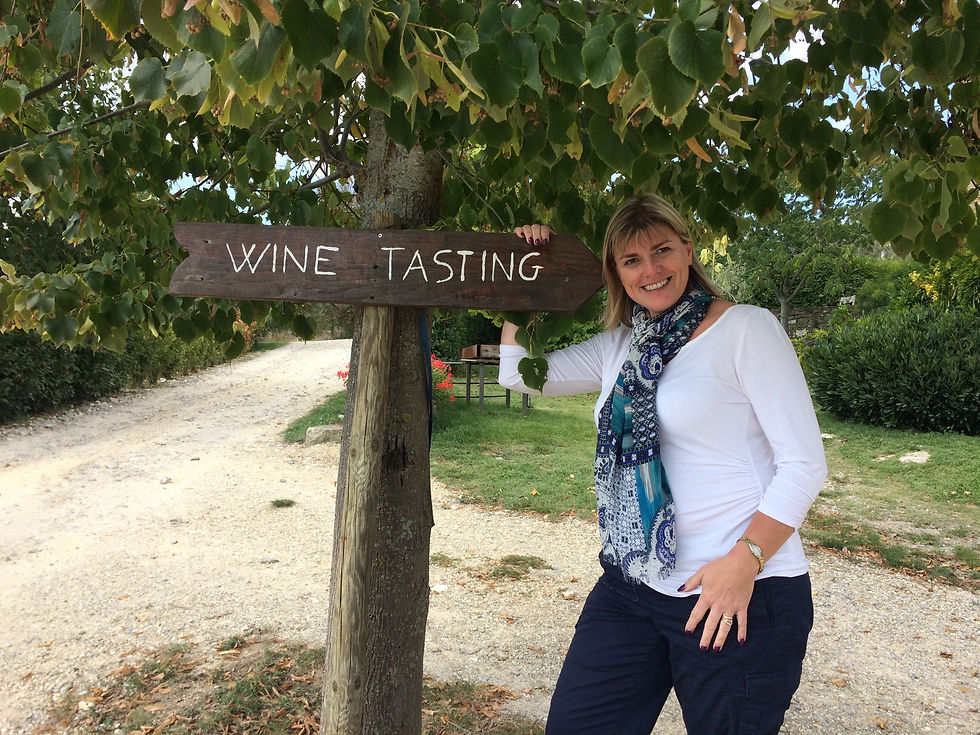
Following my return, I enjoyed browsing the photographs and connecting with my new Facebook friends. I then began to wonder. Why and how had we managed to become such good friends during that short 5-day period? And was this something I could learn from when helping clients build teams?
When I first meet someone new, I try to find a common ground, what makes us similar and/or different. With this group I didn’t have deep and meaningful conversations with everyone I met in Italy, but we did talk about stuff! Where they lived, how the journey was. That kind of thing; what might be referred to small talk.
How often do you let new teams of people make small talk, to just get to know the everyday stuff about each other?
Sometimes teams feel like they need to know everything about each other at the first meeting, however, this can lead to anxious behaviour, fear of being judged and potentially to be outcast if there are very different views.
How then, did I become part of a non-judgemental, caring and close knit team?
One factor we all shared was a common goal. Of being there for the newly weds and to help them celebrate their special day. It was the unwritten rule, one that was clear at the beginning and then became our focus as the week drew closer to the big day on Friday.
Do your teams work toward a common goal? Is it an obvious one, or is it implied?
We were under a bit of pressure too, to arrive on time for the daily coach trips, and then making it back to the coach in time for the scheduled events that had been meticulously planned in advance. But we managed it, without frustration or leaving anyone behind.
When your team are given time deadlines do they understand the impact they have on others if they are late or absent?
Now obviously there was a lot of wine flowing during this week, and I am not suggesting we incorporate alcohol into our daily working life, (although it would make me happy) it did, however, provide a focus for discussion, who liked which wine the most and least, what opinions did we have about the type of grape? We began to form ideas and commonalities about each other.
Once your teams are formed, do you encourage healthy debate, some honest feedback? Do you support conflict in differing opinions?
This is known as the Storming part of the team and is a natural part of team growth; it should be encouraged and supported rather than avoided.
After a few days, we began to realise who was going to be running a bit late, who wasn’t their best in the morning and who preferred the drinking part to the sightseeing part. We waited patiently for the stragglers who succumbed to the local shops or just wanted to get another perfect photo, we knew who would be found in the local bars or finish the last piece of food. This is the Norming stage, we are getting to know and understand each other, accepting each other for our foibles and actually taking pleasure from them living up to our new found expectations.
Do your team members support each other’s weaknesses, do they work to complement each other rather than get frustrated by them?
By the end of the week, we were meeting for breakfast as a group, not sitting with our nearest and dearest, we had become a fully functioning team, we knew what roles we had to play as the big day approached and ensured that each and everyone felt embraced and important. We were performing; we had reached that point of self-actualisation as a team. We pulled together and celebrated with each other.
How often does your team get here?
Now we are in Mourning stage, we have disbanded. But, we are still together in our thoughts, waiting for the time we can meet up, for a reunion maybe and enjoy another adventure together.
To find out more about how teams work and roles we play, contact me at Viki@exelorate.com



We also had the most fabulous tour guide, so if you are travelling to Florence, Italy, let me know, I can put you in touch.